
Triptych vs. Single Canvas Print: Which Is Better for Your Wall?
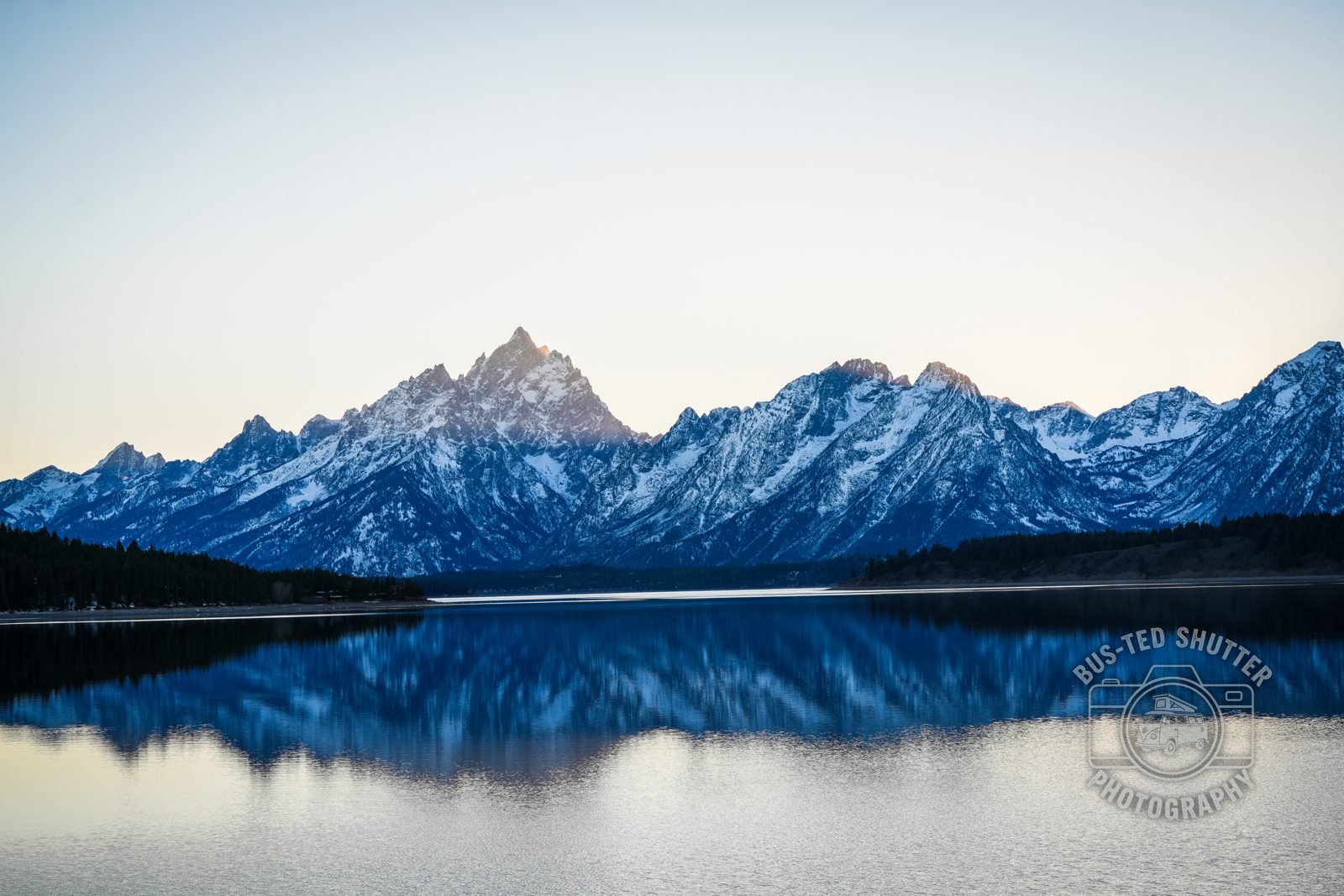
Three panels. One horizon. Room to wander.
Choosing wall art can feel simple until you find the photograph you want to live with. Then the questions begin.
Should it be one large print? A set of three? Will a triptych feel too busy? Will a single canvas feel too small? And how do you choose when the image itself carries a sense of distance, weather, and open country?
There isn’t one right answer.
The better choice depends on your wall, your room, and the way you want the landscape to meet you each day.
The short answer : it comes down to space
A single canvas print gives you one clear focal point. It’s calm, direct, and easy to place.
A triptych spreads one scene across three panels. It creates more movement and can fill a wide wall without requiring one enormous, heavy piece.
For most people, the decision comes down to this:
- Choose a single print for simplicity and a strong central subject.
- Choose a triptych for a wide wall, a panoramic landscape, or a more spacious arrangement.
- Choose a triptych when you want the wall art to feel like a view opening outward.
I make both kinds of photographs on location across the American West. The image always comes first. The format should help it breathe.
Single canvas prints : one strong moment
A single canvas landscape print works best when the photograph has a natural center.
That might be a barn beneath the Tetons, a lone tree on the plains, or a close wildlife portrait with enough surrounding space to hold the subject. One frame gives the image a clear boundary and lets the eye settle.
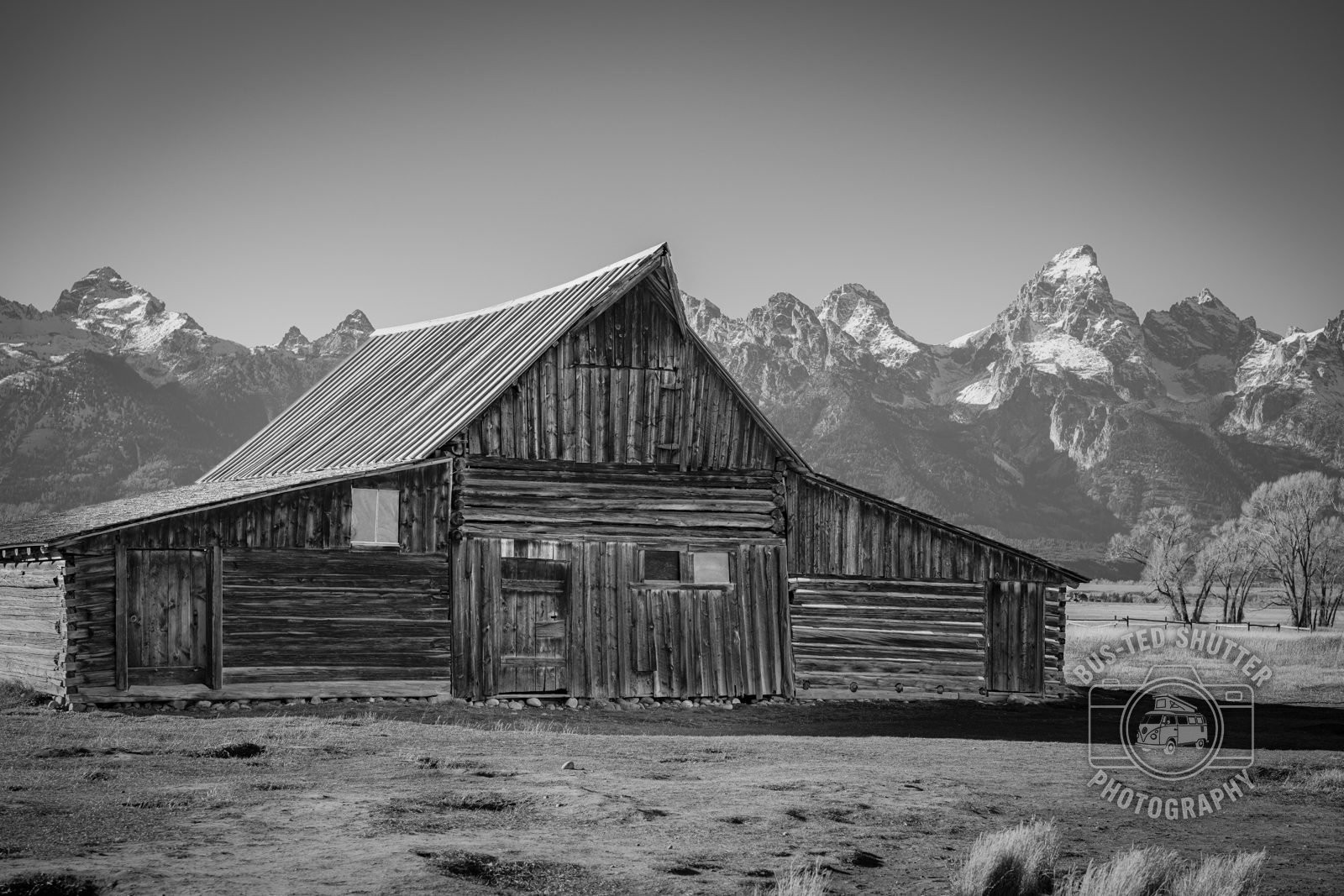
A single print is often the right choice when:
- Your wall is small or medium-sized.
- You prefer a clean, minimal arrangement.
- The image has one dominant subject.
- You don’t want to measure panel spacing.
- You want the artwork to act as one quiet anchor in the room.
There’s something satisfying about a single photograph. No visual interruption. No extra decisions. Just one place, held still.
That can be especially effective in a hallway, entryway, office, bedroom, or above a smaller console table.
A single print also works well when the photograph has a strong vertical or square composition. Wildlife portraits, trees, and close-up nature images often benefit from staying intact rather than being divided across several panels.
The triptych : one photograph, three directions
A triptych is a single image divided across three panels. The photograph continues from one panel to the next, with a small gap between each section.
It’s a format that suits wide landscapes naturally.
A mountain range, river bend, prairie horizon, or storm front already asks the eye to travel from left to right. Dividing that scene into three panels makes the movement part of the design.
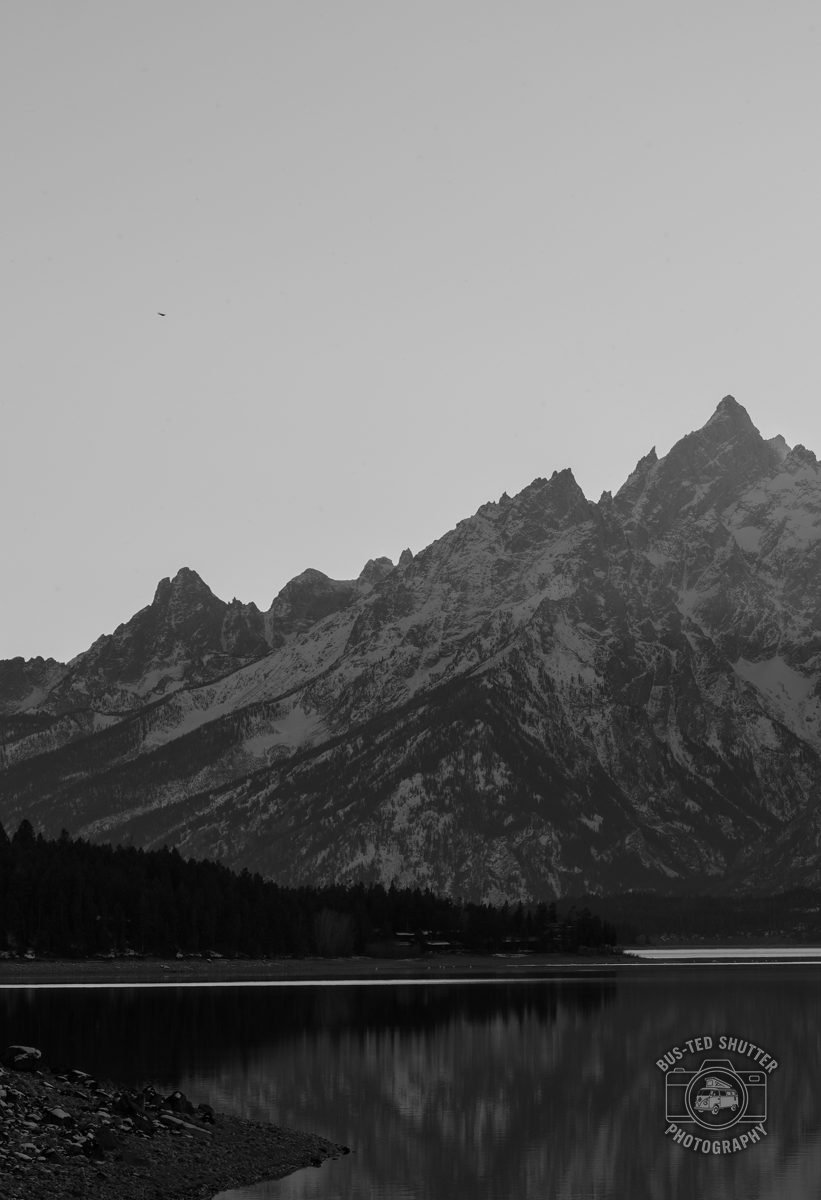
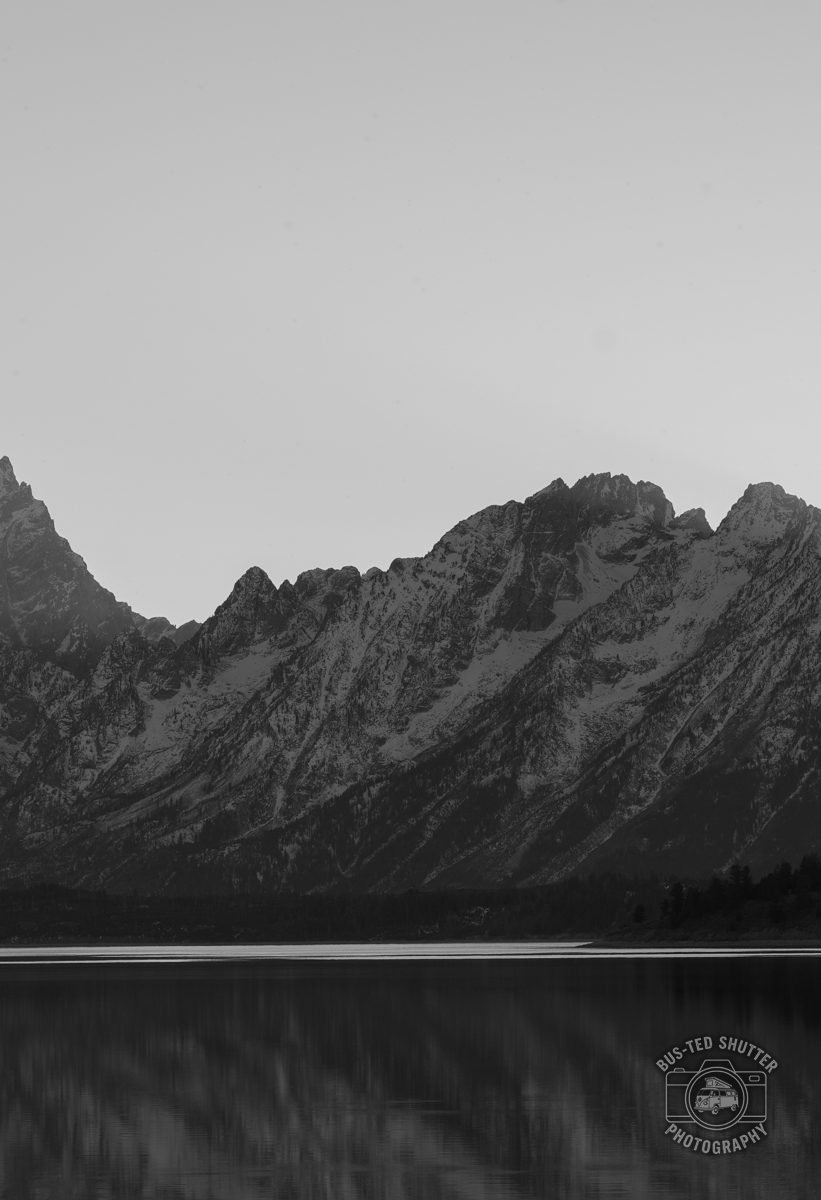
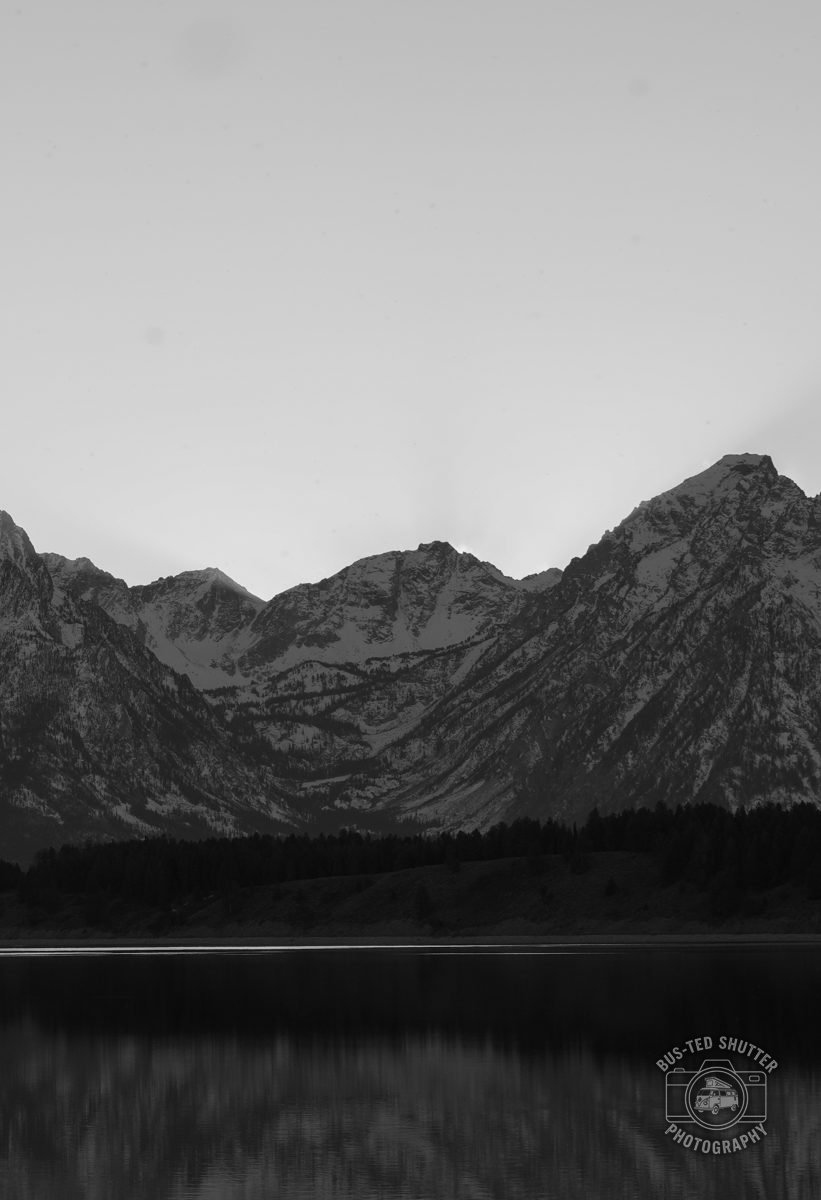
The triptych option is one of the less-talked-about choices in landscape wall art. Most people hear about a single oversized print or a gallery wall. Fewer consider three connected panels that create one broad view.
That’s part of what makes the format distinctive.
At Bus-ted Shutter, the three-panel option spans nearly four feet of wall. It gives a wide landscape room to stretch without turning the entire piece into one unwieldy rectangle.
A triptych may be the better fit when:
- You have a long wall above a sofa or bed.
- You’re decorating an open-plan living area.
- The landscape has a strong horizontal composition.
- You want the artwork to create rhythm across the wall.
- You like a larger statement without one solid block of visual weight.
- You live in a space where three smaller panels are easier to carry and hang than one oversized piece.
The gaps matter, but they don’t have to be dramatic. A small, even space between the panels lets the photograph remain connected while giving each section room of its own.
What kind of landscape belongs in each format?
The photograph should guide the format.
A centered mountain peak, a lone bison, or a single barn can hold a single canvas beautifully. The composition has one place for the eye to land.
A broad range of mountains or a river winding through winter sagebrush may be better suited to a triptych. These scenes have movement built into them. They don’t stop at the middle of the frame.
When I’m out photographing, I’m not always thinking about whether an image will become a single print or a three-panel piece. I’m watching the light first.
I might be parked along a Wyoming road before sunrise, waiting for the mountains to separate from the dark. Or I might be following a storm across the High Plains, looking for the brief moment when the clouds open and the grass catches light.
Those conditions shape the photograph.
A triptych gives that kind of scene room to continue. A single print gives a more concentrated view.
Neither is more authentic. The question is whether your wall calls for a window or a doorway.
How large should your wall art be?
Before choosing a format, measure the wall and the furniture beneath it.
For artwork above a sofa, bed, or sideboard, the total width of the piece usually looks balanced when it covers roughly two-thirds to three-quarters of the furniture below.
For a triptych, measure the full arrangement:
- Left panel
- Space between panels
- Center panel
- Space between panels
- Right panel
The total span is what matters.
The Bus-ted Shutter triptych is designed to span nearly four feet, making it a natural fit for a longer sofa, dining wall, bedroom wall, or entry space with some breathing room.
For a single print, consider both width and height. A large print can anchor a room, but it shouldn’t feel as though it’s crowding the furniture. A smaller print may work better when the surrounding wall is already busy with shelves, windows, or other objects.
If you’re renting, a triptych can also be a practical choice. Three manageable panels may be easier to position and adjust than one oversized piece. You can leave slightly more space around the arrangement or shift the panels if the room changes later.
Small wall. Small gap. Big view.
Hanging a triptych without overthinking it
A triptych doesn’t require a complicated installation.
Start by laying the three panels on the floor. Place them in order and use a consistent gap between each one. A space of about two to four inches is a useful starting point, depending on the size of the panels and the room.
Then measure the full width of the arrangement.
The center of the artwork should generally sit near eye level. Above furniture, leave enough space for the artwork to feel connected to what sits below it without looking crowded.
Most importantly, take your time with alignment. The horizon should feel steady as it moves across the panels.
A single print is simpler because there’s nothing to align. That is one of its quiet advantages. You can hang it, step back, and let the image do the rest.
What makes these prints different?
The photographs I sell aren’t made from stock scenery or studio backdrops.
I make them on location, in real natural light, while traveling through the American West. The work comes from roadside pull-offs, cold mornings, changing weather, and long stretches of road between one place and the next.
That road-traveler perspective matters to the final print.
The Tetons may appear beneath a clean morning sky. The High Plains may hold a storm that lasts only a few minutes. A bison may step into the light and disappear again just as quickly.
I’m trying to preserve the feeling of being there without adding anything that wasn’t in front of me.
The prints are finished in-house and shipped ready to frame. Current options include several standard sizes, larger 24×36-inch prints, and the three-panel triptych format. You can see the available images and sizes in the Bus-ted Shutter print shop.
So, which one is better?
Choose a single canvas landscape print if you want:
- One clear focal point
- A quieter, more minimal arrangement
- A centered landscape or wildlife subject
- Easy hanging with no panel spacing
- A print for a smaller wall or more contained room
Choose a triptych if you want:
- A wider visual field
- One landscape that unfolds across the wall
- More presence above a sofa, bed, or sideboard
- A distinctive alternative to a standard single print
- Nearly four feet of connected wall art without one oversized panel
If you’re still unsure, start with the wall rather than the product.
Measure the space. Look at the furniture. Notice whether the room feels narrow, wide, open, or crowded. Then look at the photograph and ask whether it wants to stay centered or move outward.
That usually tells you enough.
Take a look from the road
A single print holds one moment.
A triptych lets that moment keep going.
Both formats begin with the same thing: a real place, photographed in real light, and carried home from the road.
You can browse the full print collection or view more of the work. If you have a wall in mind but aren’t sure which format fits, reach out at bustedshutterphoto@gmail.com.
Tell me the wall width, the furniture below it, and the photograph you’re considering.
We’ll find the right way to let it settle into the room.