
Metal, Canvas, or Paper: Which Print Material Suits Your Room?
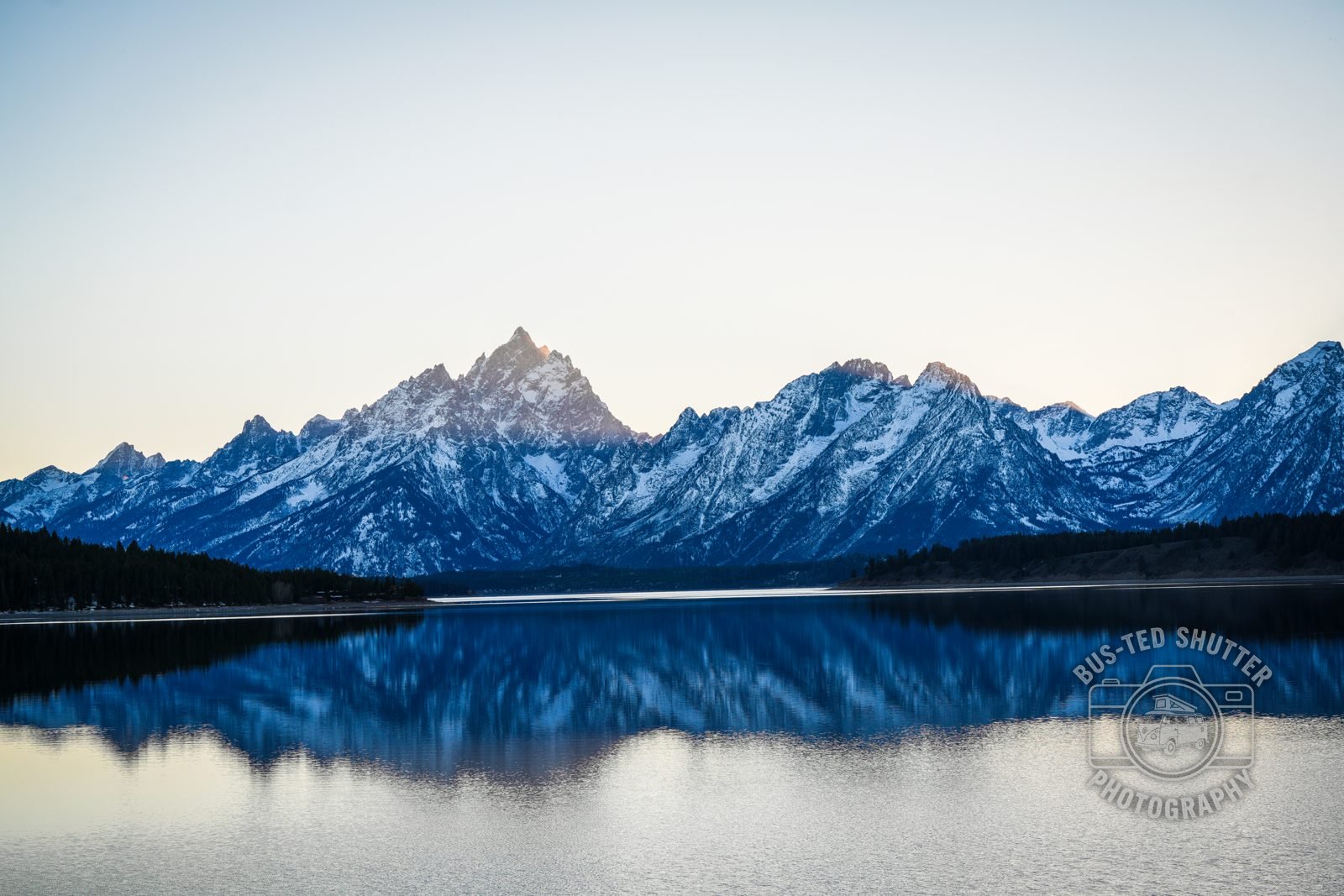
Light finds the wall.
Choosing the photograph is often the easy part. The slower question comes at checkout: what should the photograph be printed on?
Paper, glass, canvas, metal, and acrylic each change how an image feels in a room. They affect reflection, texture, color, weight, and even how close you’ll want to stand.
There isn’t one material that works for every wall. The right choice depends on your room’s light, your furniture, and whether the photograph is a wide landscape or a close wildlife portrait.
My prints are made to order and shipped ready to frame. The standard size is 13 × 19 inches, with a three-panel triptych format spanning nearly four feet for broader walls. This guide will help you understand how different finishes behave before you choose the presentation.
Start with the room, not the checkout button
Before comparing materials, look at the wall.
Is it opposite a large window? Does it sit in a darker hallway? Will the artwork hang above a sofa, beside a desk, or in a room where fingerprints and dust are part of daily life?
A bright room usually benefits from a surface that controls glare. A darker room can support more contrast, shine, and color depth. A wide wall may call for a panoramic arrangement, while a narrow hallway may need one smaller, quieter piece.
The photograph matters, too.
A broad view of the Grand Tetons, Mormon Row and Moulton Barn, the High Plains, coastal Texas, Bryce Canyon hoodoos, or Capitol Reef needs room to breathe. A close portrait of a bison, elk, moose, wolf, grizzly 399, longhorn, bighorn sheep, or fox asks you to notice texture and expression.
Small wonders (an anole, painted lady butterfly, or water lilies) often reward a closer look.
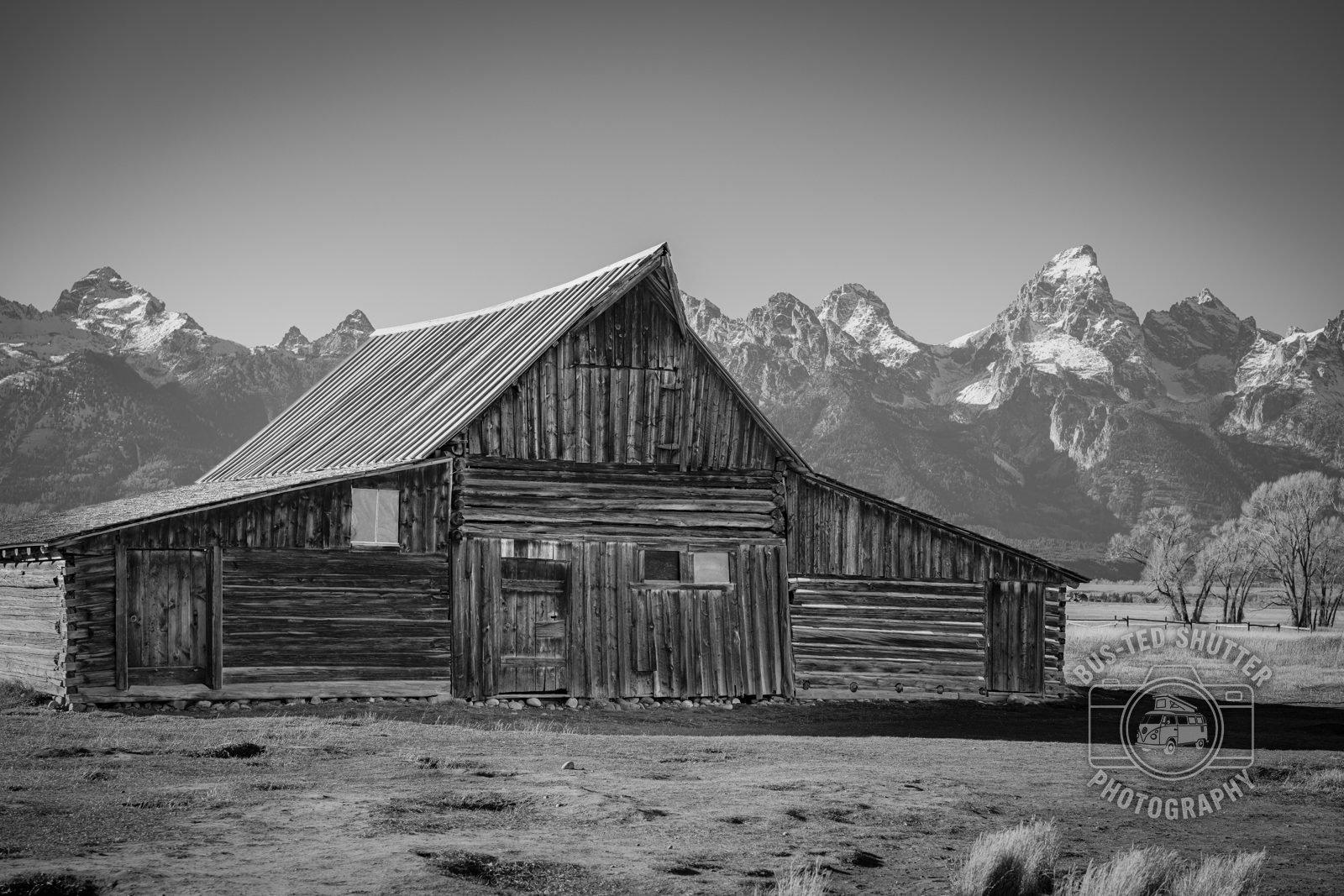
Paper, unframed: quiet detail and room to choose
Paper is the most traditional option, and it gives you the most freedom after the print arrives.
A fine-art paper print has a light, tactile presence. Matte or lightly textured paper can hold subtle gradients in a storm sky, the pale layers of winter sagebrush, or the fine detail in an animal’s coat. It’s especially suited to fine art landscape prints where tonal changes matter as much as bold color.
The trade-off is practical: unframed paper isn’t ready to hang by itself.
You’ll need to choose a frame, mat, and glazing. That extra step gives you control over the finished look, but it also adds time and cost. Unframed paper should be handled carefully and kept away from moisture, direct sun, and busy areas where it may be touched.
Best for:
- Offices, bedrooms, and quieter rooms
- Gallery walls with several related photographs
- Black-and-white images and subtle landscapes
- Close wildlife portraits where fine detail matters
- Anyone who wants to choose their own frame
Paper works particularly well in a dim or softly lit room. In a bright room, the print itself may be low-glare, but the frame you choose will determine much of the reflection.
Paper behind glass: classic, protected, and reflective
Framed paper behind glass gives a photograph a finished, traditional presentation. It also protects the print from dust and handling.
The drawback is glare.
Standard glass can reflect windows, lamps, and anyone standing across the room. That reflection may fall directly across a mountain ridge or the face of a fox. Placement matters, especially when the artwork hangs opposite a window or beneath strong overhead lighting.
For bright spaces, low-reflection or museum glass can help. It usually costs more, and the complete frame becomes heavier, but it can make the photograph much easier to see.
Glass also changes how the piece should be handled. It needs careful cleaning, secure hanging hardware, and enough wall support for the combined weight of the frame and glazing.
Best for:
- Traditional interiors
- Offices, studies, and formal living rooms
- Fine-art landscapes with a gallery-style presentation
- Rooms where the wall is away from direct light
- Wildlife portraits that benefit from protection and crisp detail
A large landscape behind glass can feel substantial and architectural. A close animal portrait can look precise and composed. In either case, avoid treating a glass-framed print as glare-free simply because the paper underneath is matte.
Canvas, texture without the glass
Canvas changes the photograph’s voice.
The woven surface adds texture and softens some of the clinical sharpness of a smooth print. It feels warmer, more relaxed, and less dependent on a frame. Because canvas has no glass, it avoids the most obvious reflections and is easier to enjoy in a room with windows.
That makes canvas landscape prints a natural choice for living rooms, bedrooms, hallways, and other everyday spaces.
Canvas is also generally lighter than a framed print with glass. It can be easier to hang and less visually formal. The surface has its own presence, though, and that is both its strength and its limitation. Fine details may read a little softer than they would on paper, metal, or acrylic.
A broad photograph of the High Plains, a river bend, or the Grand Tetons can look comfortable on canvas. The texture supports an image that feels spacious and atmospheric. A close wildlife portrait can work beautifully, too, especially when fur, feathers, or weathered surroundings are part of the mood.
Best for:
- Bright rooms with mixed or changing light
- Warm, casual interiors
- Large landscapes
- Bedrooms, family rooms, and hallways
- Anyone who wants low glare and no glass
Canvas is not the best fit if you want the sharpest possible surface or the strongest glossy color. It is the better fit when you want the photograph to settle into the room rather than announce itself from across it.

Metal: sharp, reflective, and modern
Metal has a different kind of energy.
The surface is rigid, clean, and contemporary. Color can appear vivid, with strong contrast and a luminous quality that suits blue skies, saturated grasses, red rock, and dramatic storm light. It’s also durable and relatively easy to wipe clean.
The trade-off is reflection. Depending on the finish, metal can be noticeably reflective. A satin surface is easier to live with in a bright room, while a glossier finish can add more punch in controlled lighting.
Metal is a strong choice for modern rooms, kitchens, offices, and spaces where a frameless look feels right. It also handles a large landscape well because the rigid panel gives the image a clear, graphic edge.
For a close wildlife portrait, metal emphasizes eyes, horns, fur, and silhouette. That can be striking, but it may feel less soft than canvas or matte paper.
Best for:
- Modern interiors
- Bright or active spaces where easy cleaning matters
- Strongly colored landscapes
- Graphic black-and-white wildlife portraits
- Rooms where a frameless presentation fits the design
Metal doesn’t try to imitate a painting or a traditional framed photograph. It looks like itself: crisp, flat, and direct.
Acrylic: depth with a glossier face
Acrylic gives a photograph a sense of depth.
The clear face adds a glossy layer over the image, making colors appear rich and the image feel more dimensional. It can be especially effective for water, snow, dramatic skies, and wildlife portraits with a strong separation between subject and background.
The cost of that depth is glare. Acrylic is one of the glossier options, so it works best where the lighting is controlled. A wall with direct window light may turn into a mirror at certain times of day.
Acrylic is also heavier than canvas or metal and needs secure mounting. The surface can show fingerprints, so it should be cleaned with care using an appropriate soft cloth.
Best for:
- Modern living rooms and offices
- Darker rooms or controlled accent lighting
- High-impact landscapes
- Close wildlife portraits with strong color and detail
- Feature walls where gloss is intentional
Acrylic can make a photograph feel almost backlit. That’s compelling when the room supports it, but too much shine can compete with the image.
A simple comparison
| Material | Surface and feel | Glare | Color and detail | Weight | Works well for |
|---|---|---|---|---|---|
| Unframed paper | Matte, tactile, flexible | Low | Subtle detail and tonal range | Light | Offices, gallery walls, quiet rooms |
| Paper behind glass | Classic and protected | Moderate to high | Crisp, depending on glazing | Heavier | Traditional rooms and formal displays |
| Canvas | Textured and warm | Low | Softer, atmospheric color | Light | Bright rooms and large landscapes |
| Metal | Smooth, sharp, modern | Low to moderate | Strong contrast and vivid color | Light to moderate | Contemporary rooms and graphic images |
| Acrylic | Glossy and dimensional | High | Deep color and strong visual impact | Heavier | Controlled lighting and feature walls |
Large landscape or close wildlife portrait?
For a large landscape, consider how much the material allows the scene to expand.
Canvas can make a wide view feel calm and open. Metal can give it structure and edge. Acrylic adds depth when the light is controlled. Paper behind glass can provide a formal, gallery-like finish, but the wall should be positioned carefully to avoid reflections.
For a close wildlife portrait, think about the detail you want to notice.
Paper preserves subtle texture. Metal makes the subject more graphic. Acrylic adds intensity and depth. Canvas softens the image slightly and brings a more natural, tactile feeling.
When choosing a subject, you may also want to read Looking for Wildlife Photography Prints? Here Are 10 Things You Should Know.
Don’t forget the format
Material is only half the decision. Scale changes the room, too.
A single 13 × 19-inch print suits a hallway, office, bedroom, or gallery wall. It’s compact enough to place easily and large enough to give a photograph a defined presence.
The three-panel triptych spans nearly four feet and works best on a wide, unbroken wall. Think above a sofa, sideboard, bed, or along an open-plan living area where the full arrangement has room to breathe.
For more on choosing between one piece and a broader arrangement, see Triptych vs. Single Canvas Print: Which Is Better for Your Wall?.
The material should serve the place
There’s no universal winner.
Choose paper if you want detail, flexibility, and the option to build the frame yourself. Choose glass when you want a classic presentation and can manage reflections. Choose canvas for texture, low glare, and a softer presence. Choose metal for sharp color and a modern surface. Choose acrylic when depth and gloss suit the room.
The photograph still comes first.
A storm crossing the High Plains should feel open. A bison should feel grounded. A painted lady should reward a closer look. The material simply gives each image a different way to meet you.
My landscape photography prints and wildlife work are made to order and shipped ready to frame. You can browse the print shop to see photographs from Wyoming, the American West, coastal Texas, Utah, and beyond, including landscape wall art, wildlife, and smaller nature studies.
If you have a wall in mind but aren’t sure which material, size, or format belongs there, reach out through the contact page or email bustedshutterphoto@gmail.com.
Tell me about the wall, the light, and the photograph you’re considering.
We’ll find the right way to let it settle into the room.